🇺🇸 Government Shutdown Enters Third Week — Air Travel Chaos Grows Across the U.S.
🇺🇸 Government Shutdown Enters Third Week — Air Travel Chaos Grows Across the U.S.
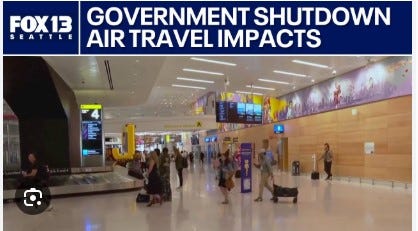
The ongoing U.S. federal government shutdown has officially entered its third week, triggering widespread disruptions across the country — with the aviation sector among the hardest hit.
According to reports from the Financial Times and other major outlets, the shutdown began after Congress failed to pass a new federal budget, causing thousands of government employees to be furloughed or forced to work without pay. The prolonged deadlock in Washington is now beginning to strain essential services, especially air travel, infrastructure, and public safety operations.
✈️ Mounting Air Travel Delays and Cancellations
The Federal Aviation Administration (FAA) and Transportation Security Administration (TSA) have both reported major staffing shortages.
- Air traffic controllers, safety inspectors, and airport security screeners are among those affected, many of whom are either on unpaid duty or staying home due to financial strain.
- As a result, flight cancellations and delays have surged nationwide — particularly at major hubs like Atlanta, Chicago O’Hare, Los Angeles, and New York’s JFK Airport.
- Travelers have reported waiting hours for security checks, while airlines struggle to manage scheduling and passenger rebooking.
Transportation analysts warn that the situation could worsen dramatically if the shutdown continues into a fourth week.
💰 Economic Impact Expands
The financial consequences are becoming more severe:
- Airlines are losing millions in daily revenue due to cancellations and lower passenger confidence.
- Federal contractors, small businesses near airports, and tourism sectors are also facing ripple effects.
- Economists estimate the shutdown could cost the U.S. economy billions of dollars if not resolved soon, potentially dragging down growth in the fourth quarter.
Markets have remained volatile as investors grow concerned about the political stalemate in Congress and its long-term impact on public confidence.
🏛️ Political Standoff in Washington
Negotiations between Republicans and Democrats remain stalled, with both sides blaming each other for the deadlock.
- The key points of contention involve spending priorities, border security, and domestic funding allocations.
- President Biden has urged Congress to “do its job and reopen the government,” while House Republican leaders insist on stricter budget control before approving new spending.
Despite increasing public frustration, neither side has signaled a breakthrough. The White House has warned that millions of Americans could soon lose access to key federal services if the shutdown continues.
🧾 Everyday Consequences for Americans
Beyond air travel, the effects are being felt in everyday life:
- National parks, museums, and federal offices are closed or operating at limited capacity.
- Food safety inspections and environmental monitoring have been delayed.
- Many federal employees have missed paychecks, forcing some to rely on savings or community support to make ends meet.
For ordinary citizens, the shutdown serves as a stark reminder of how deeply government functions touch daily life — from the skies above to the services that keep the nation running.


Comments
Post a Comment